
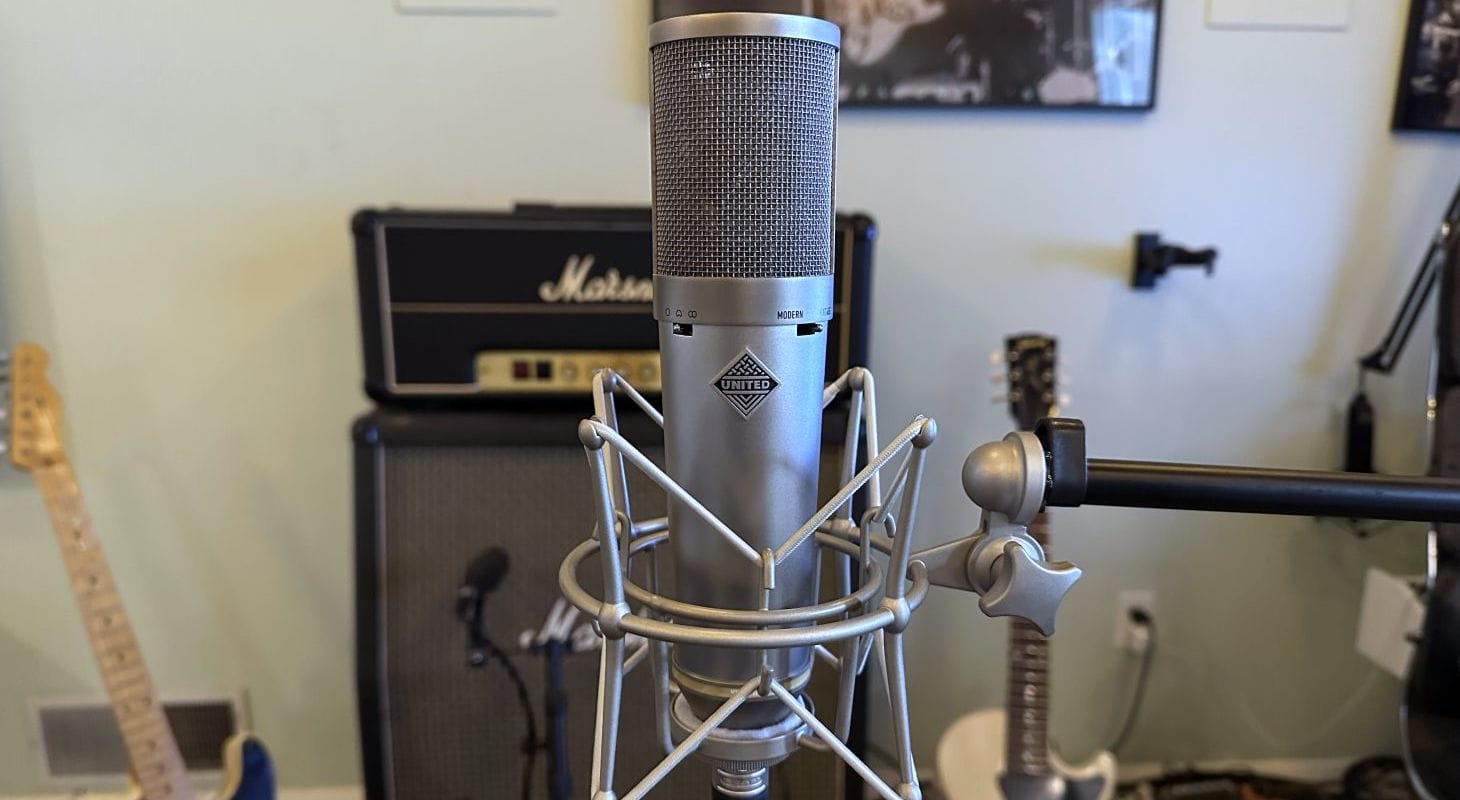
Most of the best vocals and acoustic instruments in the history of recorded music were captured through the glorious circuitry and legendary craftsmanship of the holy grail, the almighty Neumann U87.
Of course, its out-of-this-world sound comes with a prohibitive price tag attached. This makes it an elite-only piece of equipment that only big studios and accomplished artists can enjoy. Especially if they’re vintage.
I’ve been recording music for over 10 years and could never afford one.
But hey, I got good news. I’ve been buying equipment to give my home studio a quality push and went out in a U87 clone safari. Believe me, I went high and low and met some outstanding choices along the way.
So, here’s the outcome of my research. Let me do just a tiny spoiler right now; you don’t have to spend a fortune to sound like a million-dollar rig.
Let’s do it.
Best U87 Clones for Us Mere Mortals
1. Warm Audio WA-87 R2
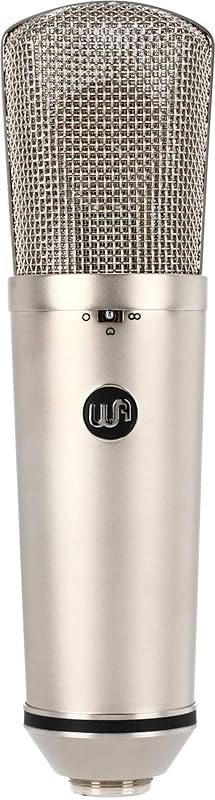
Warm Audio gear is great for building tone on a budget. The first version of this microphone, the WA-87, sold a lot and became a known secret among home-studio owners. This new version of that microphone was improved in several aspects and, besides looking better than ever, it also works and sounds better than ever.
One of the main things about a U87 is that the warmth and clarity you get comes with an incredibly low noise floor. That’s what allows you to push it in the mix without any unpleasant results.
Well, this new version of the Warm Audio WA-87 is no different; I had to really push it to hear something in the back, and even then, it was minimal.
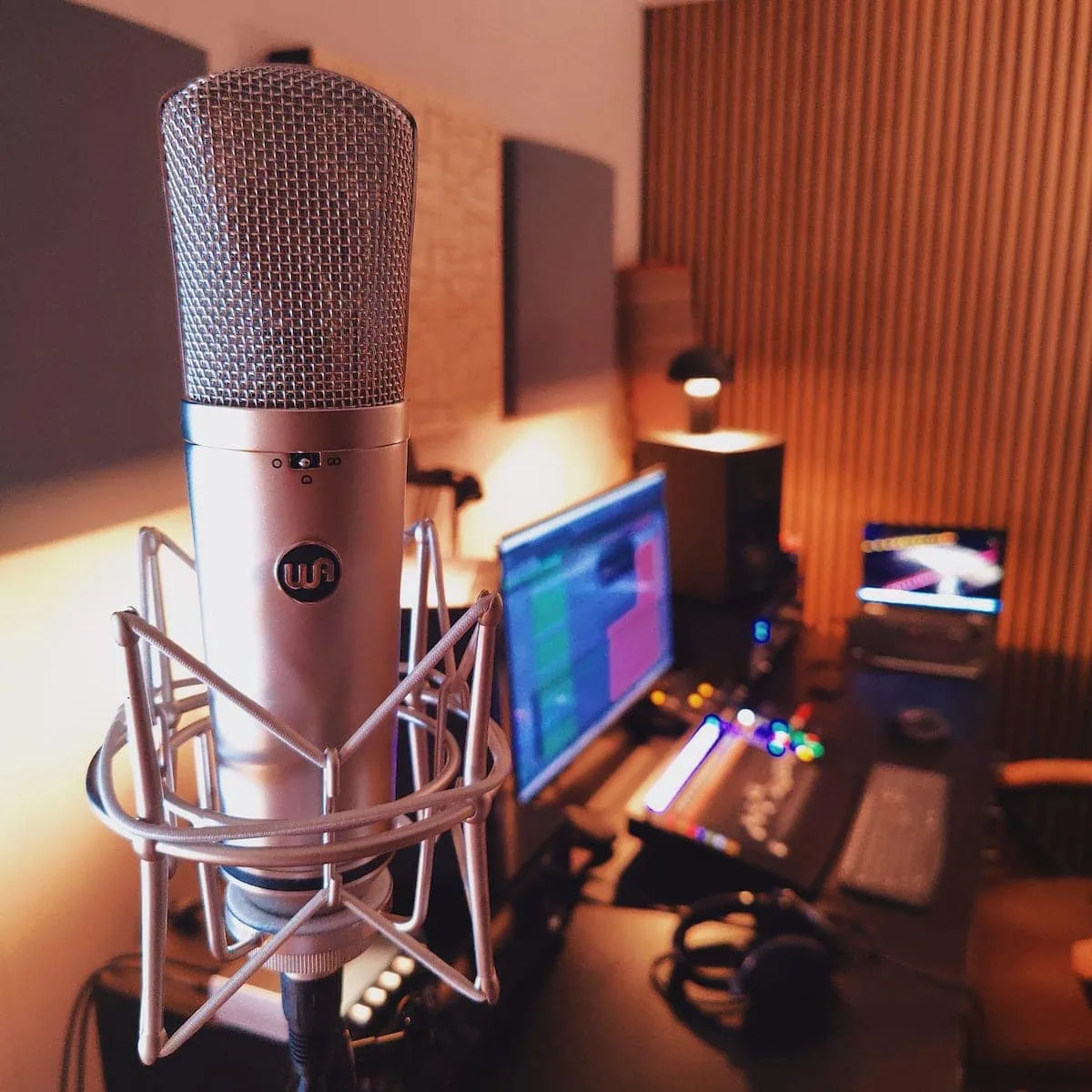
Warm Audio WA-87 R2
Moreover, the instant result when you hear this microphone on monitors is that you like your voice better than the original. Yes, Warm Audio cloned that instant 87 natural EQ to the last bit.
What they didn’t recreate entirely was the warmth that comes with those sweet low-mids in the original. It just doesn’t have the HD detail the original offers. This isn’t something you notice on vocals as much as you do when putting it in front of an instrument. I would say that this microphone shows its price around 1 kHz.
That said, I just loved the highs and the mid-highs. They’re smooth and musical, never harsh or brittle. It’s a controllable kind of brightness that just makes your ear feel comfortable, at home, and willing to pay attention. I tried it with a 12-string acoustic, and it was an Oh-my-God sound in the high end but lacking in the bottom.
In fact, I think that by trying to copy the vintage flavor of the 87, Warm Audio came up with a new thing on their own: giving an old touch of warmth to a clear and bright, modern microphone.
In my opinion, if you’re after a step up for your studio and you work a lot with vocals, this is a mic you should try. It even has the 10dB attenuator, low-frequency cut, and three pattern modes, just like the original.
Is it out of your budget? Worry not; the company’s more affordable efforts, the WA-87jr and WA-87jr SE, are great options, too.
If you want a great big diaphragm condenser to use on everything, you might want to check other options on this very list. For vocals, this is a must-try-before-you-buy option.

2. United Studio Technologies UT Twin87
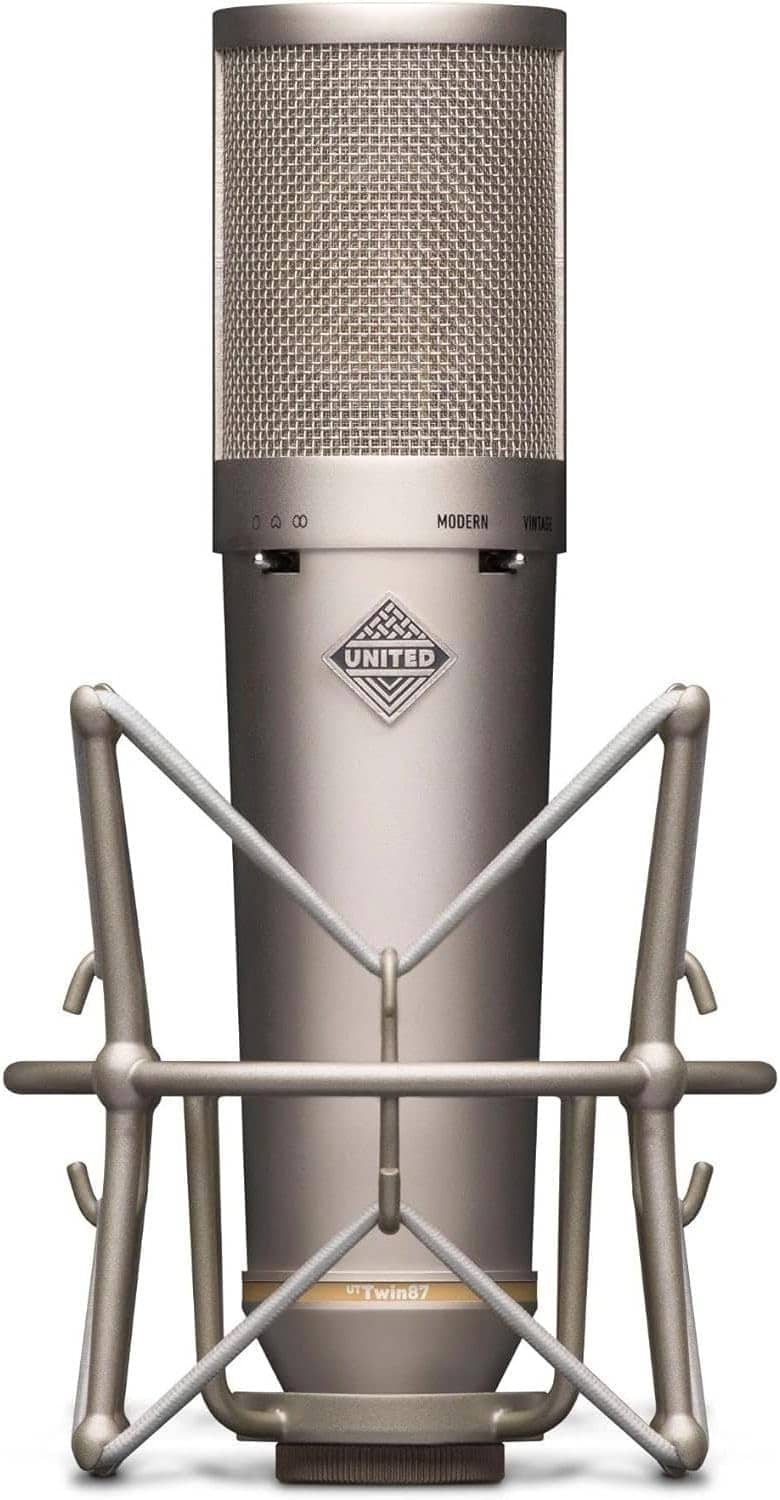
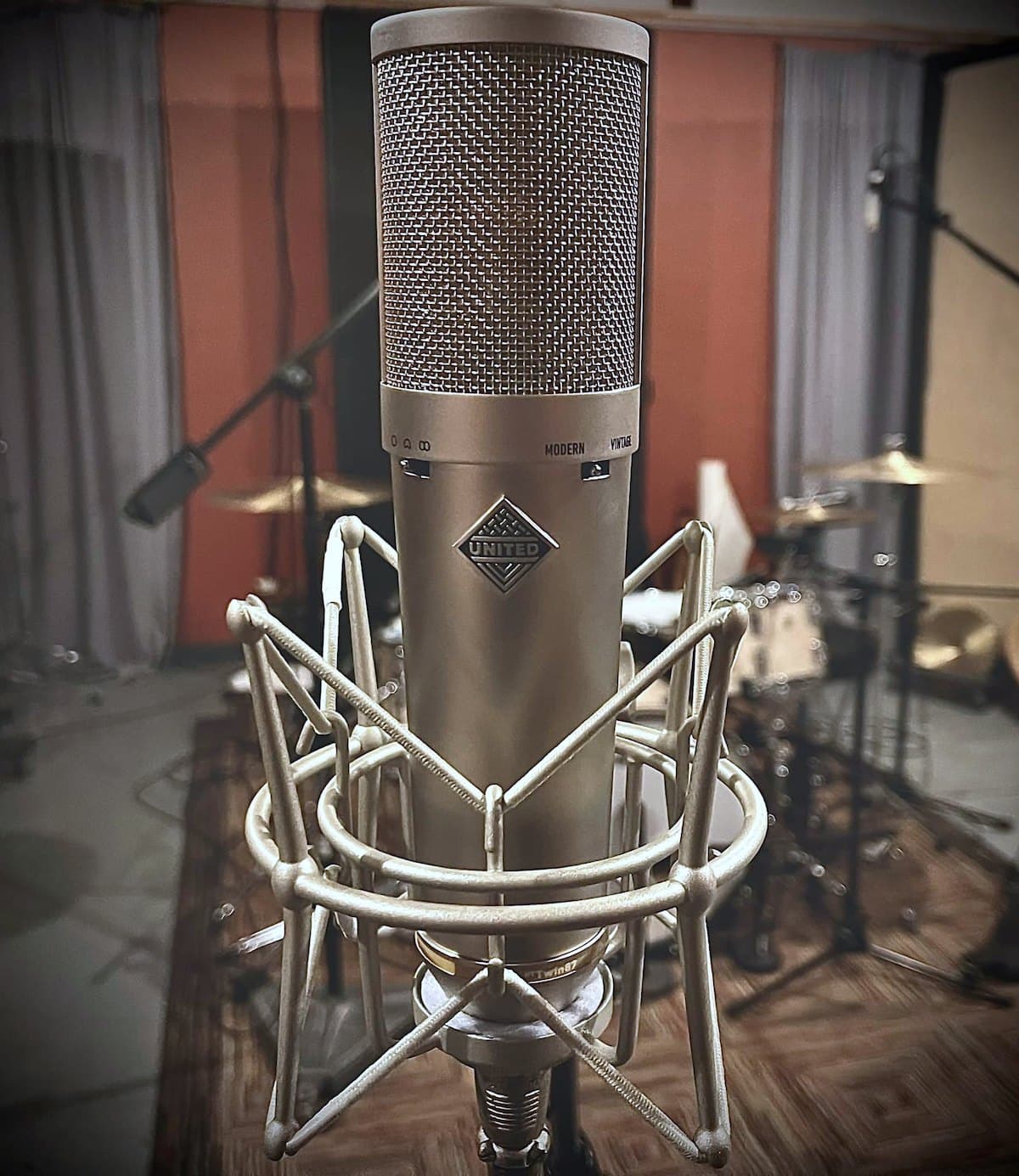
When a brand comes out with a piece of gear that claims to perform two duties for the price of one, I’m always the first to become skeptical. Yet, I have to say it, United Studio Technologies managed to put two distinct-sounding microphones with a unique response in one workhorse of a condenser microphone, the Twin87.
United Studio Technologies UT Twin87
First, I did what all of us would and went straight to the vintage mode to find the true sounds of the holy grail. The industry-standard, mellow, round, warm, and clear tone is right there. OK, it might not be the perfect curve on those nice lows, and the high-end might not be as stellar, but it’s very close.
I did some vocals and a nylon-string acoustic and the result was awe-inspiring. The midrange on this mode is just the perfect balance between bright and punchy without losing any warmth.
Now, flicking the switch to the modern mode gave my vocals a newfound vitality that’s modern without being stale. The midrange has a different focus, higher in the frequency range. I found this mode amazing to brighten up or open up a sound. Plus, since it has 117dB (127dB with the pad activated) of maximum SPL, you can easily use it to capture a guitar stack and bring up the guitar’s high-end in the mix later.
I also found that the microphone is louder in modern mode. So, I did my homework, and it turns out that, in vintage mode, the microphone works on 48 volts, but in modern mode, it works on 65 volts. This changes the response and tone drastically. To be honest, I thought it was just a filter, but no, folks, this is the real deal, the mic goes through a complete internal reconfiguration depending on the mode.
So, I would say that for singers or podcasters with a bright voice, the vintage mode will bring joy to your ears. The same goes for bright wooden instruments. The modern mode, on the other hand, can brighten a low register and give more power to a vocal take, making it more modern and crisp.
At least, that’s what happened to my vocals.
If you want a do-it-all workhorse that’s built like a tank (including the brass exterior, 24K-gold covered dual diaphragm and backplates, and USA-made transformer) you have to check this microphone out.
Also, for a tighter budget, there’s a version that offers the vintage side only for a much lower price, giving you all that’s great of that mode in a cardioid version (the Twin has omni, cardioid, and figure of eight options like the original 87). If that sounds like a plan to you, check out the Vintage 87.
3. MXL V87
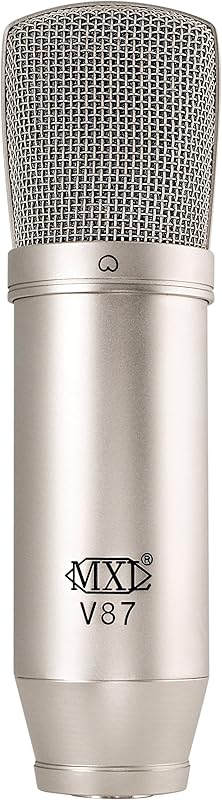
Spoiler alert, let me say this right off: There’s a lot of microphone for the money in this product. MXL has been getting more and more recognition for being a place to look for quality gear when on a tight budget.
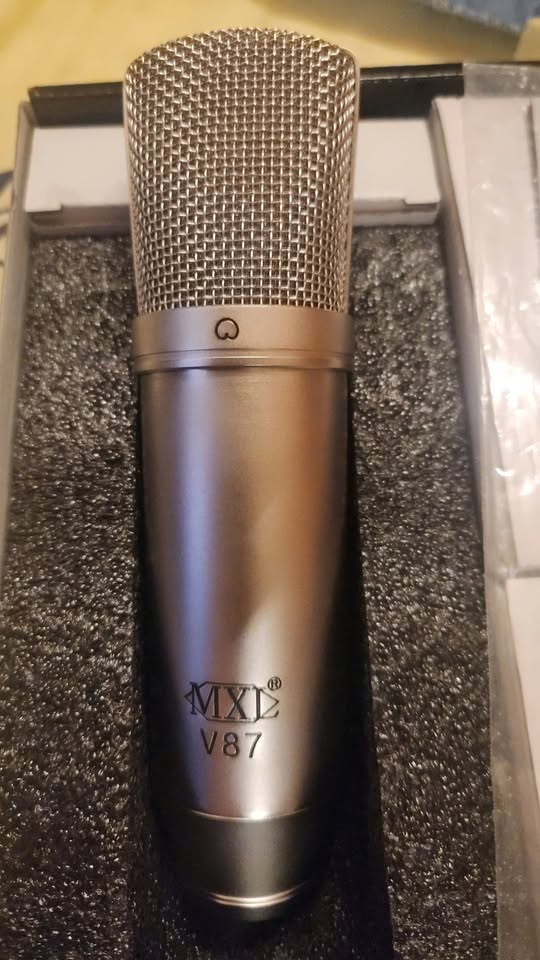
I know, there are some limitations to this design: There’s no omni or figure of eight pattern available, no 10dB pad, and no high-pass filter. Those are standard features on the original U87 and also in most of the clones, but not on the MXL V87.
MXL V87
That said, what this microphone does is quite good. I mean, we’re not talking about the stellar high-end and the perfectly round bottom end of the real deal, but the natural EQ that the company worked with has that slight punch around the 1.5K and the vintage warmth in the low-mids.
If you compare that alone to much of the competition in this price range, you have a fine contender. But that’s not all, because MXL gave the V87 a 137dB limit for the SPL. This means that this microphone can withstand the sound pressure of very loud sources. We tried it with a guitar stack and a loud guitar player —yours truly here, who made an effort to ruin the take but couldn’t.
The result was an even, warm, good signal that had that punch we guitar players love so much in the mids, but that kept the lows tight.
I know, I know… shut up, you guitarist, you and tell me how it did on the vocals!
Well, that’s when things get even more interesting with this microphone. It was great for cutting vocals. It comes with what MXL calls a relaxed proximity effect that helps you get rid of the build up in the lower frequencies when you move closer and go from singing to spoken word or whisper.
Plus, the usual effect of your voice sounding better through monitors than it does in real life is right there instantly.
Finally, what I wasn’t so convinced about was how it took wooden instruments and nuances. There’s a little lack around the 1K that makes it sound… well, closer to its price range than to the real deal.
If you’re on a tight budget and want a good vocal microphone before stepping out into the big leagues, this is an awesome option with a modest price tag.
4. Melon Audio MA-87
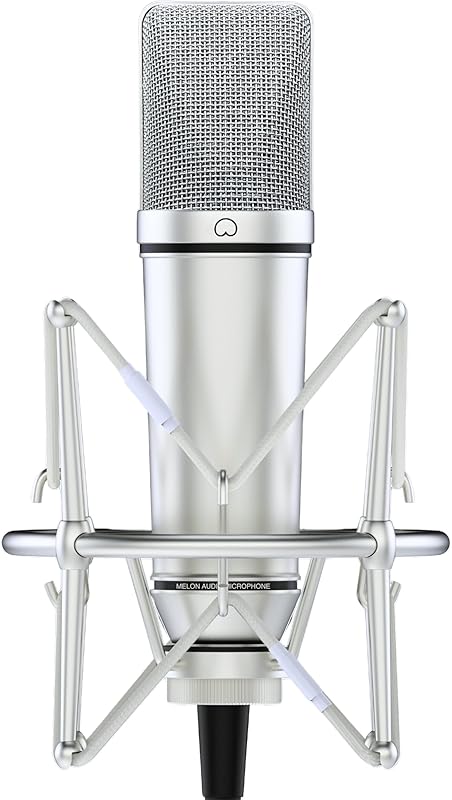
The MA-87 is an affordable microphone that’s not at all cheap. I mean, the first thing to note about this microphone is its price. Without reaching the three digits, it does a lot.
Let me start with the not-so-good news first so we can get it out of the way. To begin with, there’s a sibilance in the high-end that’s common to most microphones in the entry-level range. In the same line, the treble turns from bright to brittle and from pleasant to harsh as soon as you abandon the high-mids.
Also, the 60Hz hum that might be audible to some professionals with a trained ear might be annoying, but nothing you can’t get rid of with a simple high-pass filter.
Finally, it’s way more sensitive to sound pressure than all the others on this list. You can’t use it to record anything loud, even if it’s just your friend trying to impersonate Freddy Mercury’s Wembley performance.
Now that we got that out of the way, let me tell you what I did like about this mic because there’s a lot to tell. First, it’s built like a rock. It’s a full metal housing that’s heavy to the hand, and that can take the beating of day-to-day studio work. This is especially true if you’re beginning, but it can also mean this is your field microphone when you’re out recording something on the road. I mean, for the price? I can almost hear Marlon Brando saying forget about it! in his best Italian accent.
Also, the 87 is not just a fancy name for the microphone; they managed to create a similar EQ curve to the real deal. The result is a nice sweetness coming from the lower-mids that adds the feeling of warmth. I found this to be especially useful when doing voice-over, close talking, whispering, and spoken word.
When I turned to the singing —don’t look at me like that, I’m a singer, I can prove it! —The bump in the midrange became a place to call home. It combines with the warmth to give your vocals a sense of closeness that’s great.
So, for those who want a good vocal condenser microphone and are within an entry-level or beginner price range, this is a must-check. Also, if you want a reliable, affordable, and good-sounding condenser to take on the road, this is a good candidate, too.
Plus, it comes with the shockmount, the windshield, and an XLR cable. You can’t beat it for the price.
5. Universal Audio SC-1
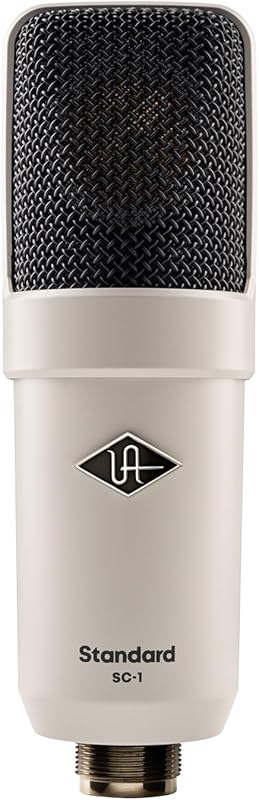
Ladies and gentlemen, welcome to the future; it arrived a long time ago. Well, I know, modeling isn’t something new; it’s been coming for some time. But let me tell you that the folks at Universal Audio take the future of modeling technology dead-serious.
But first things first. Let me talk to you about the SC-1 without the included plugin.
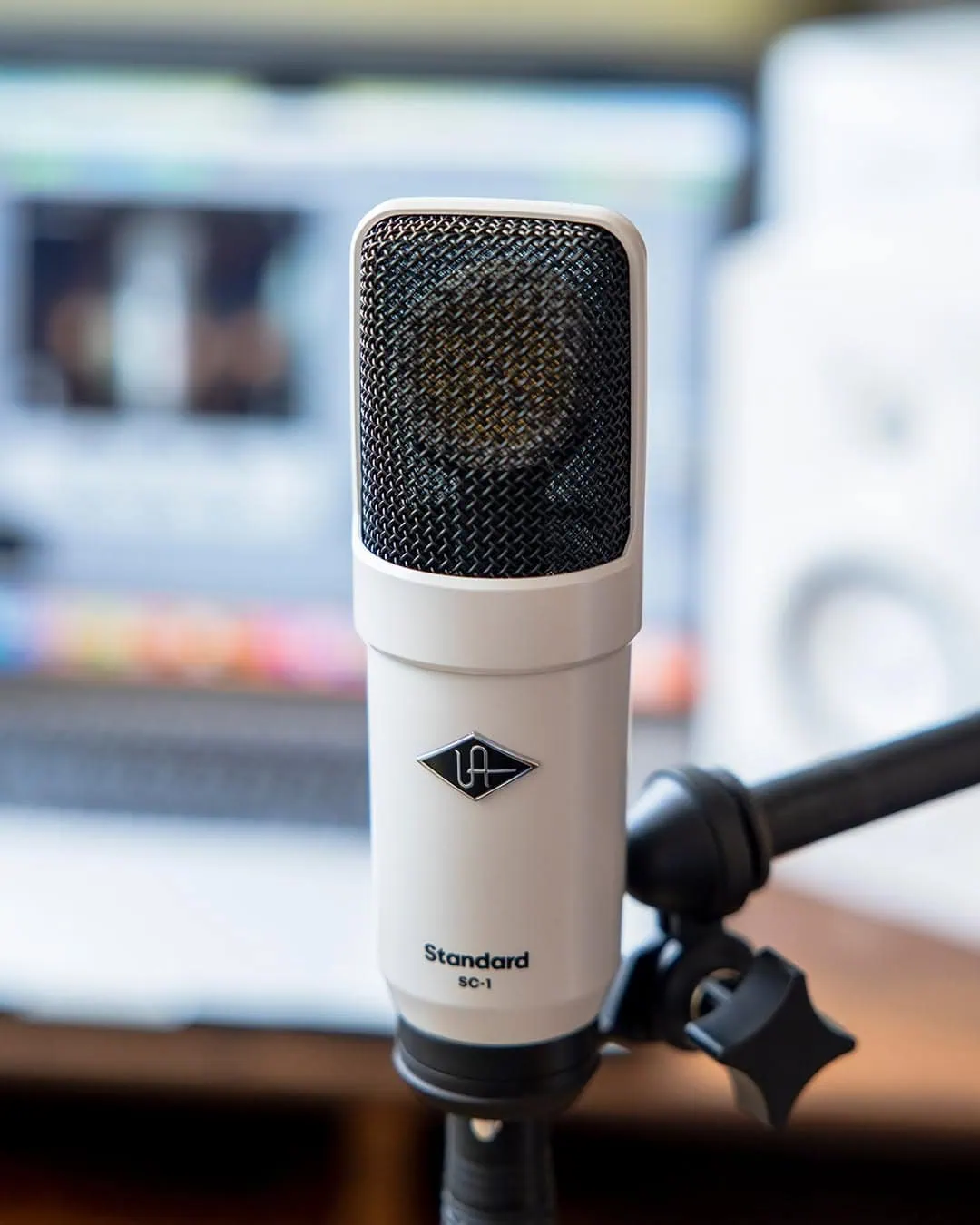
Universal Audio SC-1
I’m one of those singers who wants to get to the action ASAP to capture the feeling and then go into nerd mode to get the best out of my very best take. In that sense, this is a terrific plug-and-play kind of condenser right out of the box.
It’s kind on your highs, meaning they’re not absent but smoothened and made brighter. The bottom is also smoothened but enhanced, so you get this round and nice bottom end. The midrange is clear; while it’s not by any means a vintage-sounding microphone, it combines elements of pristine modern sounds with some of that old, analog soul.
Now, when you open the software that comes with the microphone, you’re suddenly presented with a multi-thousand-dollar microphone cabinet as if you just got a job at Electric Ladyland Studios.
It comes equipped with the best-known of the Neumann condenser microphones, the 47, the 67, and, of course, the 87. This last one is quite impressive. I just noted there’s something about the magical high-end of the real deal that’s musical and close to celestial that isn’t present. The details on the treble aren’t as nuanced and tend to be less comfortable to the ear.
Other than that, the way they recreated the natural curve of warmth and the punchy midrange makes you want to sing all day. I mean, I was born in the eighties, and this microphone is responsible for much of the music I’ve heard all my life. It’s one of the unsung heroes of rock and roll.
So, if you don’t own or aren’t too familiar with the real deal, this microphone is going to be the mightiest tool in your quest for the perfect take. It works perfectly well on vocals, wooden instruments, and anything requiring some warmth and punchiness.
Oh, and if you happen to look for something other than that, you can just use a 414, or if you want to venture into hip hop, why not use a Sony C-800G?
For the price, the great sound it has on its own, and the options, this microphone is hard to beat. If flexibility is the name of the game for you, or this will be your only microphone, it’s one you should definitely consider.
If you’re after something more classic, then maybe you’d be better off with other options on this list.
What Makes the U87 The Holy Grail?
I raved so much about this microphone that you might be wondering what makes it so great. Well, I walked into a session once and had a sort of epiphany moment with this microphone. It hadn’t happened to me before. But here’s the deal: I walked into a session with a singer. She was very talented, and her voice sounded amazing through the monitors.
They were working on the arrangement, so she came into the control room to talk to her producer and work out the part. Her voice sounded so much better through the microphone! I learned later that day that half the budget of the recording had gone into renting that vintage U87 I had just heard.
But beyond the feeling, and going to the technicality of it, there are very few manufacturers left in the world that take more care with their production processes than Neumann. Also, the microphone’s natural, organic high-end, the slight and musical mid boost, and the smooth, round, generous low-end give it the perfect combination to make anything sound great.
Since that day, I’ve seen it being used for about everything you can think of, and the result is always great right off the bat.
An Industry Standard
Another thing that’s very important about the sound of a Neumann U87 is that it’s an industry standard. This means that you’ve heard it so many times before that it’s part of your musical DNA. I mean, everyone from Kurt Cobain, Sir Paul McCartney, and David Bowie to Amy Winehouse, Beyoncé, and Will.i.am. sung through one of those on their records.
The natural curve of the microphone’s EQ, its clarity, and its punchiness shaped the sound of a generation. If you’re part of it, just like I am, the first thing you think of when you hear an u87 in action is “that’s the sound in my head”.
From a producer’s point of view, that’s great. From a singer’s point of view, that’s even better.
The Bottom End
The holy grail, in the movies and in real life, comes with a high price tag attached. Whether you have to run through caves and escape death or put a lot of money on the counter of a shop, it’s always a big operation. And, believe me, it’s worth every penny; that’s not the discussion.
The thing is that for most of us, it’s out of our budgets. That’s why this list above is so important. There’s nothing more gratifying to any artist, producer, engineer, or hobbyist out there recording music than getting the sounds they hear in their heads into the monitors.
These microphones get as close as possible to that and offer an affordable alternative to your dream large-diaphragm condenser.
Get started today with those epic vocal takes with one of these options.
Happy (warm, clear, and punchy) recording!
