
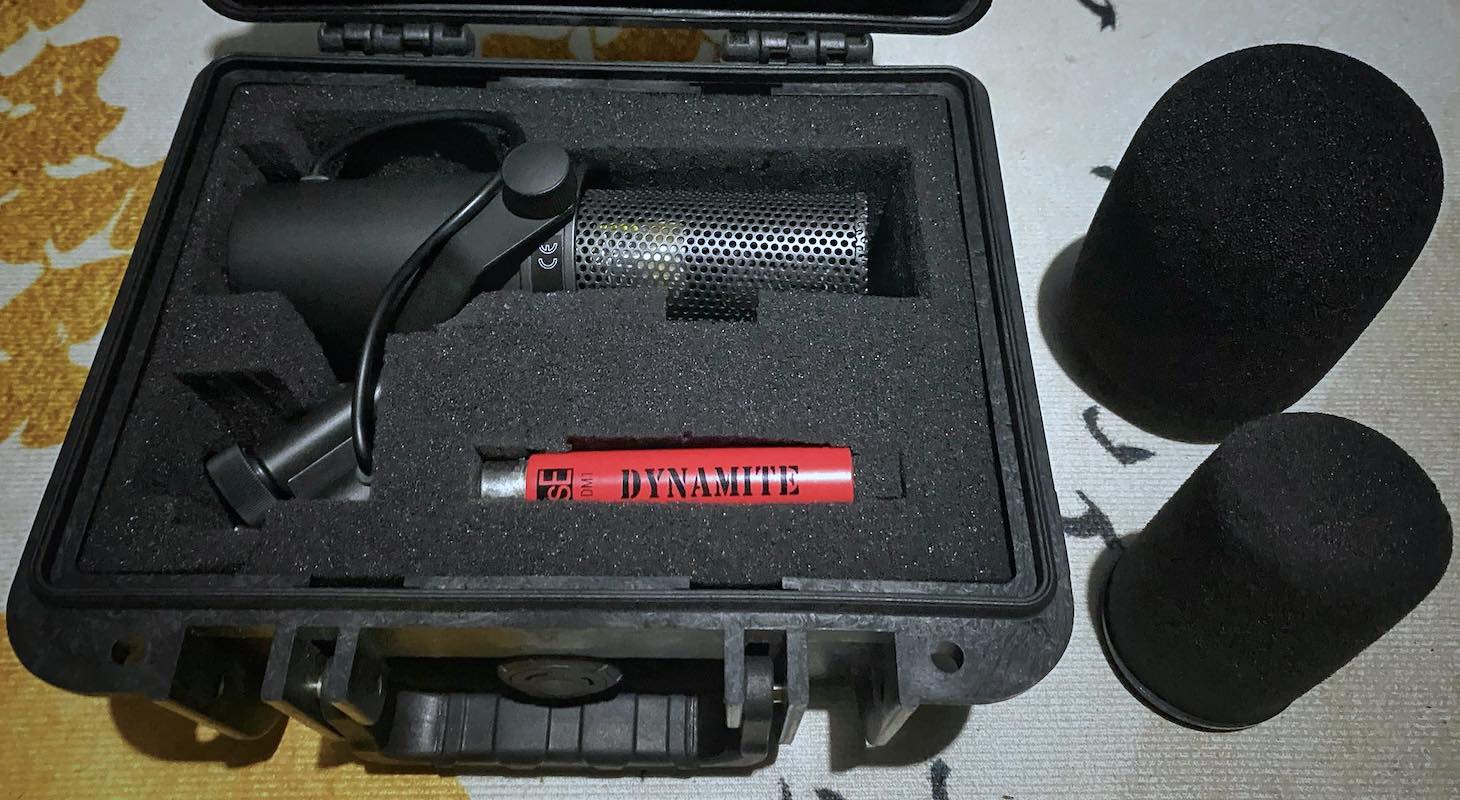
Let me make a wild guess: you’re here because you spent your hard-earned money on a large-diaphragm dynamic microphone, like the almighty SM7B by Shure. You expect to have this deep, clear, punchy vocal, and instead you get an underwhelming result with an annoying hissing noise because your microphone is power-hungry and your interface gives the mic all it’s got.
Well, let me introduce you to a piece of studio gear that’s just as important as your interface in this scenario: a preamp.
If you’ve never heard of them, chances are you’ll be assaulted by options. You’ll find them in all kinds of prices and configurations online. Worry not, you’re in the right place. These are the best options in the market today to make the most out of your new investment.
Top 3 - Preamps for SM7B
Let me walk you through the good, the bad, and the ugly of the preamps world. If you’re serious about your gear, your new preamp is on this list.
Let’s juice it up!
5 Best Preamps for Shure SM7B
1. sE Electronics DM1 Dynamite
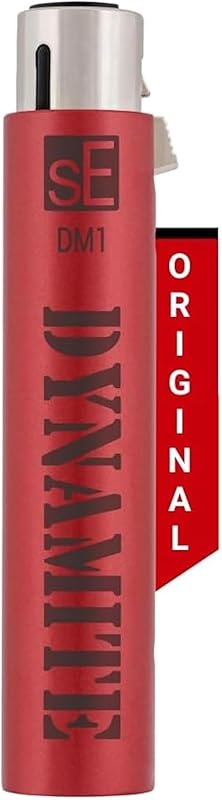
The first thing I’m going to say about this TNT-looking preamp (which would have made the late and great Bon Scott proud) is that it is LOUD (which would have also made him proud).
Yes, this tiny thing, which fits in the palm of your hand, can add up to 28dB of clean power to the signal. That’s a lot, believe me.
So, first things first, I plugged the Dynamite straight into my microphone and the XLR cable from that combo into the interface. I used my old, trusty M-Audio Fast-Track, and the results were huge. Yes, the SM7B retained that amazing low-end that brings spoken word closer to you, especially with the big pop filter on.
Although the DM1 Dynamite does have a slight pump in the 13K that adds an extra layer of brightness to the sound, it doesn’t affect the low-end at all, making the microphone even a little punchier with lightning-fast transients.
For singers and instruments, well, that’s a different story. I mean, 28dB is a lot of gain to put in front of a loud source. I tried it with a mellow, acoustic duo of guitar and vocals, and the singer could get very close and whisper lyrics with a magical result. Likewise, the guitar sounded quite amazing, natural, organic, with nice low-end and crystal-clear mid-highs.
Now, when she got loud, I was clipping like crazy. The same happened when I attempted to record a bass and guitar cab. In that scenario, the SM7B can and should do the job on its own, I would say, even without the pop filter on.
So, for podcasters, spoken-word artists, voice-over actors, and any quiet sources, this preamp is literally a bomb. For loud sources, it’s better without it. The good thing is that it’s not only plug-and-play, but that removing it is just as easy.
2. Cloud Microphones Cloudlifter CL-1
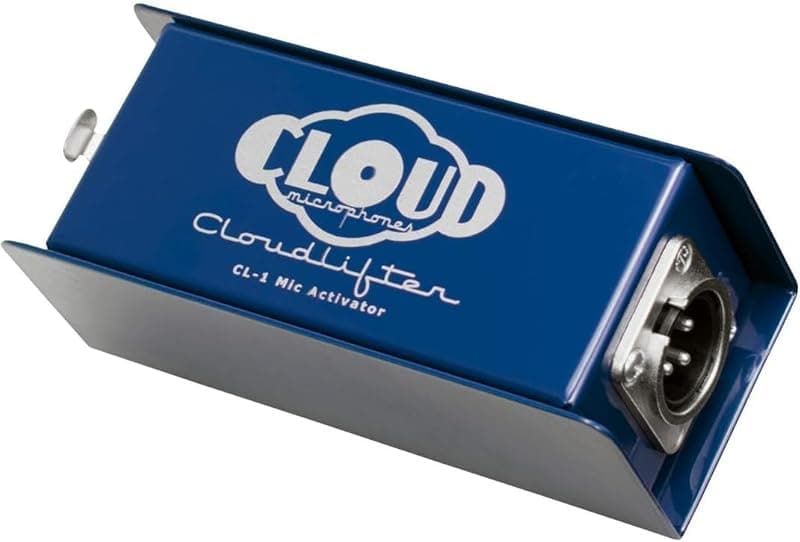
Built like a tank and delivering up to 25dB of clean power to any dynamic or ribbon mic, the Cloudlifter is the preamp everyone is talking about right now. But what created that hype and fuzz around it? Is it any different from all the others on this list?
Well, in my experience, it has to do with how cleverly and efficiently the company used the minimal military-grade casing.
You get rubber feet and a latch so you can use it as a desktop unit or right at the stand. The company advises having a long cable connection after the apparatus and not before it.
As soon as I was done attaching it to the mic stand, the results were immediately noticeable. The SM7B received more than enough power to operate with the gain knob at noon (normally, without the CL-1, it would be around 4 o’clock).
I tried some spoken word and was blown away by how transparent and quiet this little thing is. There was no bump in any frequency range, and the juice it provided for the mic was completely clean.
Also, I have to say the increased sensitivity on the SM7B made my performance different. The mic’s response is definitely enhanced. Speaking of which, the bottom-end, which is SM7B’s strongest attribute, remained tight and focused throughout my testing of it.
When I moved over to singing, the mic gain went down to 9 o’clock, and I had to sing from a foot away to get a good gain level. I mean, we’re talking about a dynamic mic here.
I can’t think of anyone who won’t benefit from adding one of these to their studio. It’s true that it’s more expensive than the competition, but it’s also made in the USA and extremely quiet.
If it fits your budget, give it a go. You won’t regret it.
Oh, and if you wish to add a second dynamic mic to the mix, the two-channel version, the CL-2 features the same Neutrik connectors, Cinemag transformers, and high-end craftsmanship to get the job done.
3. Triton Audio FetHead In-line Microphone Preamp
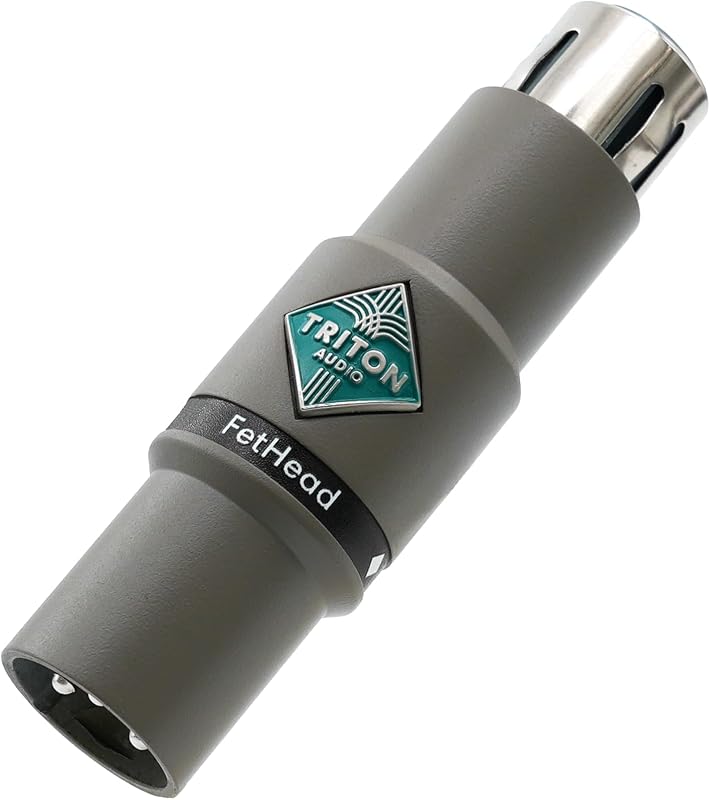
The Triton Audio FetHead is one of the handiest, most convenient in-line mic preamps in the market right now. This little gadget goes straight into the output of your microphone and looks like an extension of it; you can even carry it in your pocket!
That said, don’t be fooled by the size of this thing because it can add up to 27dB of clean power to any source. Moreover, it’s specially designed to prevent the phantom power from going into the microphone, making it better for old ribbon microphones and other fragile old gear.
The first thing I did was some spoken word, and just by plugging in, I lowered the gain knob from 4 o’clock to 11 o'clock. I mean, this little thing is as loud as it gets in such a small package.
While it does boost sensitivity, volume, and adds gain, it takes nothing away sonically. The signal remains transparent and unaffected all the way to the DAW. This is, in part, because it’s made with a Class-A circuit and top-shelf FET transistors. Those keep the noise levels down while boosting gain.
When I moved to singing, keeping the gain on the interface at about one quarter, was enough to get a great vocal tone out of the SM7B. It allowed me to capture all that beautiful low end without sacrificing presence or brightness.
What I will say about this preamp is that it doesn’t look like a piece of equipment that’s ready to withstand the hardships of the road. It seems fragile in comparison with others on this list, built to military specs.
Other than that, this in-line preamp at this price is a great ally for any home studio recording. Remember, attaching and detaching is as simple as plugging and unplugging.
4. Coda MB-Stealth In-Line Microphone Preamp
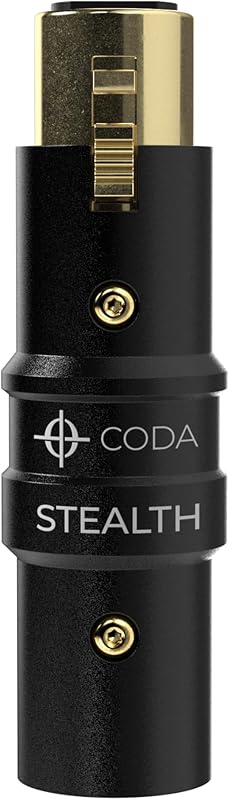
There’s a good reason why this tiny preamp is called Coda MB-Stealth. It’s matte black, and you could carry it inside your wallet. Well, maybe not your wallet, but if you jumped into that whole fanny pack retro fashion, it’s perfect to take your microphone, the preamp, and even your XLR cable!
The thing about the housing in this tiny and super handy preamp is that it isn’t as sturdy as others on this list. There’s a plastic feel to the touch and an overall weight that doesn’t inspire as much confidence as others.
To be fair, though, you could buy two of these for the price of one of those, so you can always bring a backup.
Now, the first thing I did with this when I plugged it into the SM7B was to go at it with some spoken word, and the result was almost great. I’m going to say almost because I could hear a tiny bit of difference when the preamp was attached. I don’t necessarily mean this in a bad way, though. It felt as if the microphone opened at higher frequencies, which was a good thing. That said, the bottom-end did become a little more midrange-oriented.
Overall, and for my tone of voice, it did a great job at boosting the microphone. This thing is loud with 28dB of added clean juice at hand. Trust me, you’ll notice immediately. Dropping the overall gain also cleans everything up, so that means there’s plenty of room to work on the sound later with a little compression and some EQ.
The singing material was right in the same lane. It did make my SM7B sound more like a rocking microphone when comparing it to its usual (with all due respect) darkness and lack of higher midrange. Also, it helped my vocals be more dynamic. I did some clean, close verses and exploding choruses, and it all sounded a bit more into modern territory.
I’d say that, if you’re on a tight budget, give this one a try. If you want something sturdier and more durable, you might be better off spending a little more and going for a different option on this list.
5. Klark Teknik MIC BOOSTER CT 1
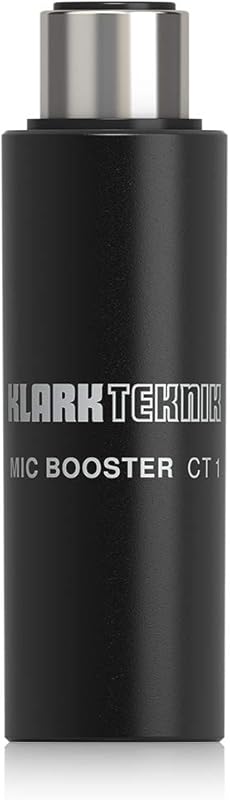
It doesn’t get any more affordable than the MIC BOOSTER CT 1 in the world of preamps. I mean, you can’t get much in the music world for that money at all. Yes, this unit comes at a steal of a price, but is it worth the money, or is it just unusable?
I have to say my hopes weren’t that high when I plugged this thing into my SM7B. My job is tough, I know, lol. Jokes apart, it was very easy to install, and I started using it right away.
Let me say that this is a very transparent preamp. There is a little hissing sound to the top end and a louder noise floor, but with the added gain, you can lower your gain and keep it where it doesn’t affect the recording easily.
Speaking of noises, beware of interference, especially with cellphones. I wasn’t expecting top-tier shielding, but this one is very sensitive. Any cellphone that’s near and not on airplane mode will be heard through the recording.
The spoken word with which I started my test was round, powerful, and clear, just like the SM7B with enough juice should sound. When I moved to the singing part, the hissing and the noise floor became more of an inconvenience because they are more noticeable in the dynamics of the vocals rather than the pseudo-monotone pace of the spoken word.
So, I would say this is an awesome first step for a beginner and can also be a great backup. For professional applications, beware that you’ll have to work a little harder on the mix to remove what it adds.
Other Solutions to the Same Problem
Try Removing the Foam Filter
One thing not many people realize about the SM7B is that it comes with a huge pop filter. I know, you’ve seen them so many times with it, but the actual microphone is kind of unknown to most of us.
While it will help you with plosives, saliva, and breathing noises, it also changes the overall sound of the microphone. You’ll gain three things by removing the filter.
- Brightness – The filter tends to take away some of the higher mids while accentuating the low-end. Removing the filter will add some presence and brightness to the overall sound.
- Clarity – If you have a low voice tone like me, the extra padding can easily turn your vocals into mud, especially if the microphone isn’t getting enough juice. So, just remove it, cut a new take, and see if clarity improves.
- Gain – The pop filter also takes away some of your microphone’s gain. The preamp will resolve that, but I recommend doing a take without the filter. Although you’ll still be working with your interface close to its limit, it might be the little pump you need.
Try the Presence Boost & Low-Cut Filter
The SM7B has two switches on the back. I know, it comes with a cover for the filters, so you don’t see them that often. Nevertheless, you can use a flat-head screwdriver to activate the presence and low-cut filter switches.
The first will add a little bump right about 5K that will add presence and help your voice cut through. This can also work on acoustic instruments and is great for voices like mine, which are low.
The low-cut filter will get rid of everything you don’t need and will also help clean up the mud in the lower frequencies. Engage it for spoken word; the results are mix-ready.
Did You Think of a 57?
Finally, before ending this piece, let me say that although most people talk about SM7B like a desert-island kind of microphone because it’s a do-it-all solution, it’s not the only Shure workhorse that can do that and be an industry standard, too.
Yes, an SM57 is another great option to start with. It’s perfect for most sources. It doesn’t have the same low-end as the SM7B, I know, but it’s much more budget-friendly, especially for those starting out.
Plus, it’s still used in the biggest studios and stages around the world, so it can help you start your production journey on the right foot.
The Bottom End
Preamps used to be these huge, rack-mounted pieces of gear obsessively put together and only available to top-class studios around the world. Well, luckily for us, this is a great time to be alive and make music.
Give a new life to all dynamic microphones in your studio and try them on different things, you might find out they can do much more than you thought.
Pick the right one and go make amazing music.
Happy (juiced up) recordings!
